Wednesday, November 2, 2016

All of Your Weird Cat Behavior Questions Explained!


Cats are curious creatures, in both meanings of the word "curious". Their desire to detect and search the world around them (as well as being potentially calamitous, if the saying is to be believed). They are also, frankly, bizarre.

We have opened up our homes and lives to these animals, and yet so few of us understand them. We watch, baffled, while they clamber into boxes and shove their little faces where they just shouldn't be. If you're fed up of just finding your feline friend fascinating and want some answers, then we've got a few to peruse...

Why Do Cats Rub Their Face On Me?

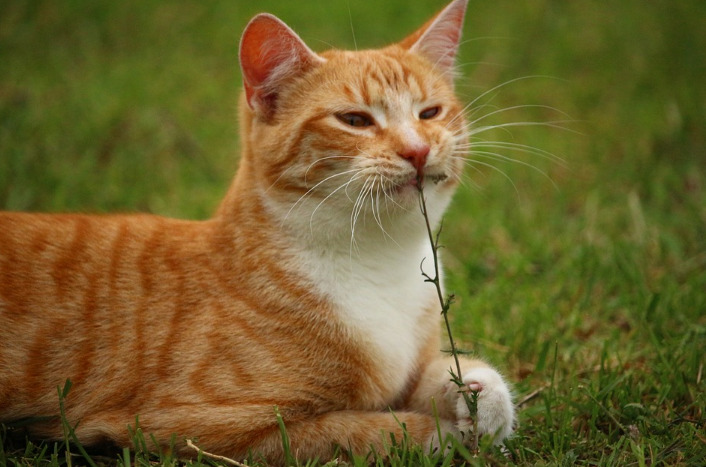
First off, this is a good thing - looks like your kitty loves you! You can be sure of this because what they're actually doing is claiming you for their own. Cats have scent glands all along the side of their faces; you can't see them, but they're an important thing for your cat. They want you to smell like them - so try and see it as a compliment!

Why Do Cats Explore High Places?
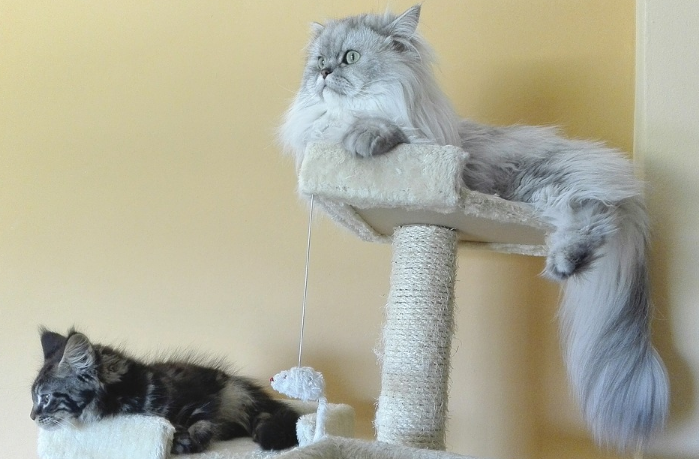
Cats have a tendency to want to be as high up as possible. This can be pretty terrifying for you, as you imagine the inevitable fall and begin to compare pet insurance prices to check the coverage. While there's no harm in being prepared for the worst, most cats are fleet of foot - and the desire to be up high is completely natural. Up high, they can see any potential attackers coming and have full control of the situation. Giving your cat somewhere to hang out that's high off the ground is a caring idea, especially if they are prone to being nervous.

Why Do Cats Pluck The Carpet?

Scent glands strike again! This time the ones in their paws. Cats finding scratching therapeutic as well as beneficial for keeping claws healthy. If you want to protect your carpets, then always make sure they have options that allow them to scratch without damaging anything.

Why Does My Cat's Tail Sometimes Tremble?

This is another good sign and tends to happen for one of two reasons.

1) They are excited to see you. If this happens as your cat is approaching you, congrats! You're their favorite human.

2) You are getting food they are excited about eating. Again, the tail quivering is a sign of intense happiness and high anticipation.

Why Do Cats Like Boxes?
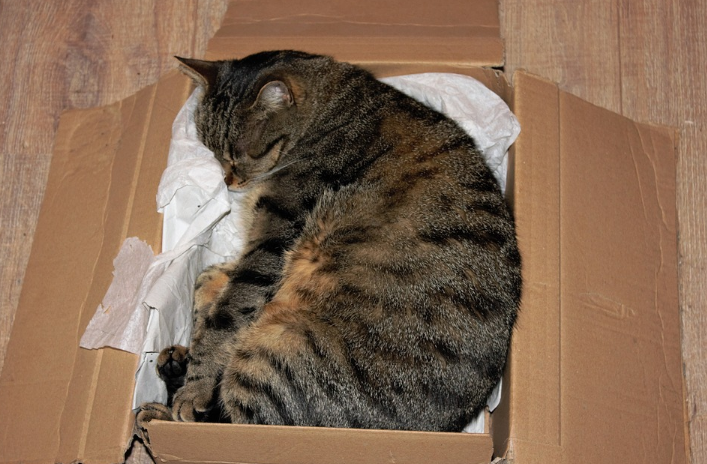
It's worth noting that this is not limited to domestic cats; big cats love being inside boxes as well. There is no firm evidence as to why, but most theories center around the feeling of safety. A box is self-contained and provides a good vantage point, while adding a feeling of extra protection.

Why Does My Cat Not Like Catnip?

All cats love catnip, right? Wrong. It's genetic. If your feline friend is totally oblivious to this pungent herb, then they just might not carry the gene that makes them susceptible. It's estimated only around 40% of cats actually have the right genetic makeup!

Tuesday, November 1, 2016

How Dogs Can Massively Improve Our Lives


Along with being adorable to look at, our furry friends benefit our lives in so many ways. From improving our health to helping vulnerable people, and even protecting us against crime. Here are just a few of the reasons why dogs are so amazing.

They Can Reduce Stress and Blood Pressure
Spending time with a dog can help to lower your blood pressure, cut down on levels of stress hormones and even release a relaxation hormone. Not only will this make you feel better when you face stressful situations in life, but it’s also good for your health too! One study found that when people with borderline hypertension adopted a dog, their blood pressure reduced significantly within a matter of months. ‘Puppy rooms’ are now being implemented in many universities to help students feel less stressed before exams. They have so much of a powerful effect, it’s even been shown that heart attack patients with dogs survive longer than those without.

They Can Improve Mental Health
Dogs have evolved to be tuned into human behavior and emotions. While they can understand lots of the words we use, they are even better at interpreting other cues such as our tone of voice, gestures and body language. It’s the reason that when you’re feeling down or upset, your loyal dog will be at your side comforting you. This may be part of the reason as to why people are less likely to suffer from depression when they own a dog. Playing with a dog can boost the levels of the brain’s ‘happy chemicals’ serotonin and dopamine, which help you to feel calm and relaxed.

They Can Improve Your Fitness Levels
Having a dog means plenty of walkies. Not only is this good for your pooch but it’s also good for you too. Walking is an excellent way to burn calories, tone up and also get fresh air. Having a dog means you’ll explore lots of new places which you probably would never have found any other way. Parks, rivers, canals, fields, woods. What better way to get out there and enjoy nature and improve your fitness than with your furry friend in tow.

They Can Help People With Disabilities
Service dogs can literally transform the lives of people with disabilities. As well as serving as a loyal companion, they can allow people to perform daily tasks and get back out there into the world. However, to be able to qualify as a service dog and be granted public access, it must be sufficiently trained. If your dog is currently an ‘emotional support’ animal for a disability, with the help of a service dog trainer you are able to improve their training to be allowed out with you everywhere in public. This can be useful if your disability has worsened, and you have found yourself needing more support.

They Can Help Fight Crime
Due to dogs excellent sense of smell, they make an asset to organizations such as the police and airports. They can be trained to sniff out all manner of things from large amounts of cash to drugs- and allow criminals to be caught and justice to be served.


Thursday, October 27, 2016

Cray Fishing

We always try to go cray gushing whenever we take the kids to Tomlinson Run.  It's a fun activity for  all of us.  We catch them  and then release them again  at the end of our journey.  It's one of those activities that my children both enjoy doing.  
 These cray fish are hard to catch because they are fast.  The kids see a challenge in doing it that's why they  do it.  They are very competitive so both of them wants to see their  skill in catching one.
 Having a bucket helps  in catching them as you don't have to use yuir hands to catch them.  You can just scoop them, still not easy to do though.
 Here showing you how the cray fish retaliated and bit  EJ's  hand when he was about to release them back to the water.
No cray fish was harmed in  doing this activity.  I love that both of our children enjoy this kind  activity.  Hubby and I   always  feel the joy in our hearts  watching our kids work together toward achieving the same goal.  

Wednesday, October 26, 2016

Big Doggy Smiles: Maintaining Your Pup's Teeth

It’s impossible to be in a good mood when you’ve got toothache, and that applies just as much to dogs as it does to humans. Although dogs are less prone to cavities than we are, canine dental health is still very important to keep your pup healthy and happy. Over 80% of dogs have some level of dental damage by the time they turn three – here are some tips to help prevent that.
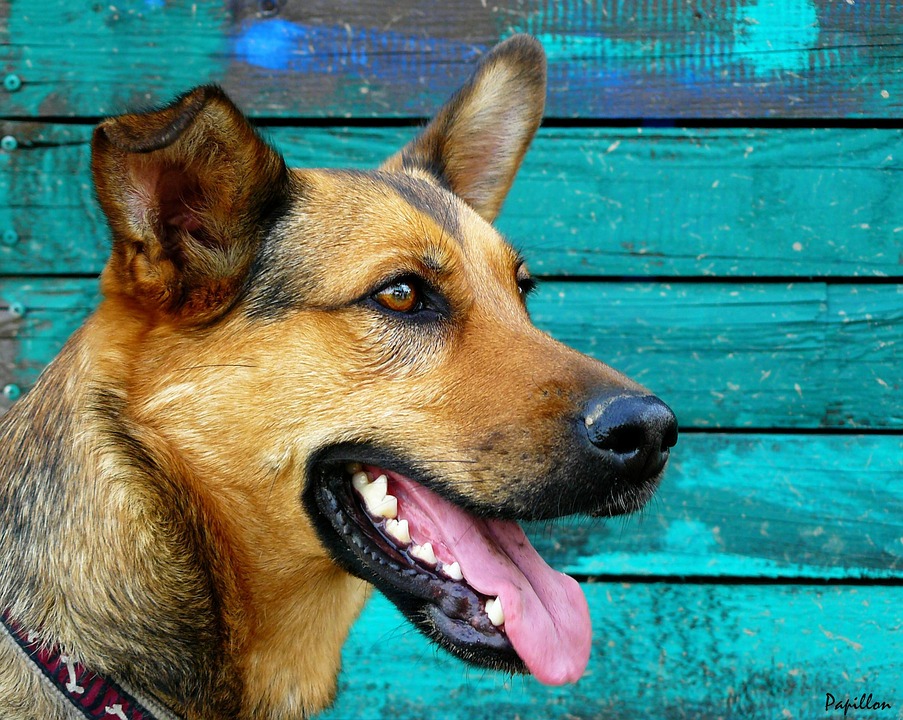
German Shepherd, Dog, Portrait, Animal Portrait
Image Pixabay

Buy A Toothbrush And Doggy Toothpaste
Make sure you don’t use human toothpaste. Usually this contains fluoride, which dogs are extremely allergic to. Instead, purchase toothpaste formulated for dogs at a pet store.

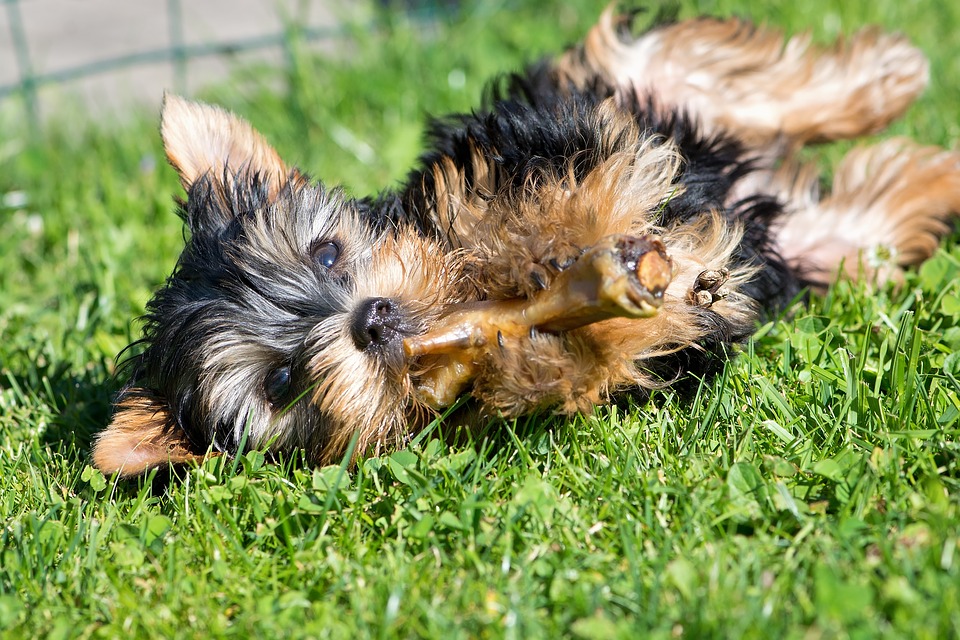
Dog, Puppy, Small Dog, Gnaw, Animal, Pet, Garden, Out
Image Pixabay

Caring For Your Puppy’s Teeth
Get your puppy used to having his or her mouth opened while you check and gently brush its teeth – this will make it easier to do so when your dog’s an adult. Like humans, dogs have and lose baby teeth, and usually by the time they’re around seven months old all their adult teeth will be in place. Make sure your vet checks this out – baby teeth that don’t fall out can cause your dog pain and discomfort.
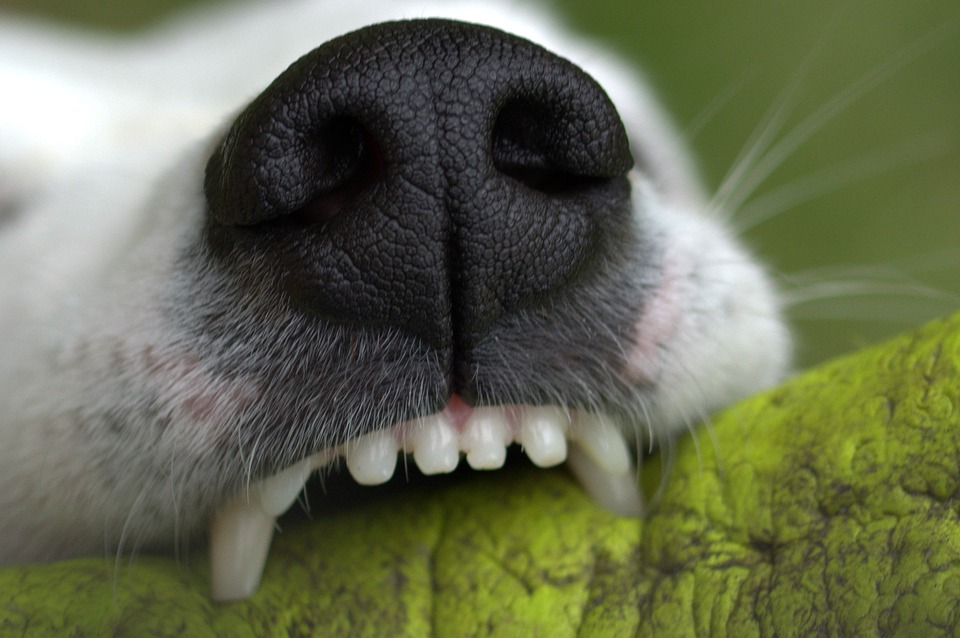
Snout, Teeth, Bite, Play, Dog, Tooth, Creature, Close
Image Pixabay

How To Brush Your Adult Dog’s Teeth
If your dog isn’t used to having its teeth brushed, it might not enjoy the experience. Choose a time when your dog is tired out after a long walk, and make sure you stop if he or she gets upset. Add a few seconds on every time you do it, so eventually you can get around to brushing all of your dog’s teeth. Try to make a game out of it, and reward your pup with a treat afterwards for good behaviour.

Choose Good Food For Your Dog
Dry food is better than wet for dental hygiene. Even if your dog refuses to allow you to brush its teeth, you can use crunchy kibble to improve its teeth. Wet food tends to stick more to the teeth and cause a greater amount of decay. Try to learn more about your dog’s dietary needs so you can provide the food it needs to be happy and healthy. Chew toys and synthetic bones are also great for strengthening your dog’s teeth, so try to pick one up from the pet store every now and then. You can also buy dental biscuits for your dog, which helps take care of his or her molars, which are hard to reach with a toothbrush.

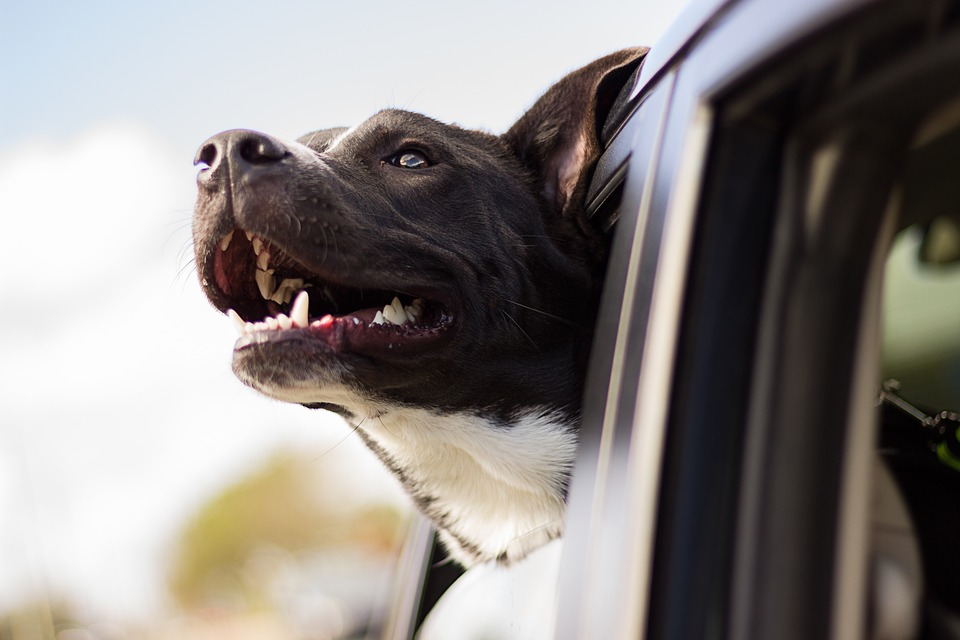
Dog, Happy, Car, Head, Car Window, Happy Dog, Pet
Image Pixabay

What Happens If My Dog Is Suffering From Dental Disease?
It’s often hard to pick up, since dogs are good at masking pain from their owners. If your vet points it out, make sure you get treatment for your dog as soon as possible. If untreated, it can lead to pain for your dog along with tooth extractions, bad breath, and, in severe cases, bacteria entering the bloodstream and making its way to the vital organs, which can make your dog very sick. If you get it treated as early as possible, treatment will also be cheaper! There are also water additives that you can talk to your vet about – these can be added to your pup’s water bowl and they’ll reduce tartar build-up in the future.


Thursday, October 13, 2016

Hello Puppy! The Best Ways To Look After The New Addition To Your Family

It’s such an exciting time welcoming a new puppy into your family on that first day! Expect lots of cooing and cuddles and lots of cheeky antic from your new best friend too. But for those first few days, your puppy will probably be feeling a little anxious too. It will be baby’s first time away from his Mom and brothers and sisters. And he will be in totally new surrounds. So here are some top tips on the best ways to look after the new addition to your family. For extra tips on caring for your pet, follow the click.


Meeting The Vet

One of the first trips you and your puppy will take together is to the vet. Make sure to choose a reputable company and preferably a recommendation from friends that are pet owners. Your puppy will certainly be spending some time here, so you want him to feel safe and secure.

Get Him Chipped And Insured

Make sure your pet is microchipped. This is the best chance you have of being reunited with your dog if he gets lost. All dogs over the age of eight weeks old should be microchipped so make sure your breeder has carried this out. And of course, don’t forget to get your puppy insured. If your puppy gets sick or is injured, insurance can help reduce the cost of medical bills and medication. There are many different types of pet insurance so check out this great resource to help you choose the right type for your puppy.

Toys And Crates

You’ll want to have lots of soft and chewy toys ready at your home for when your puppy arrives. A teething puppy is going to want to chew. So invest in lots of chew toys or say goodbye to your dining room furniture and your shoes! Have a mixture of different textures so your puppy can get lots of play in. You’ll probably also want to introduce your puppy to a crate for sleeping and training. But make sure in the first few weeks to keep the crate in a social area of the house. Puppies don’t like to be alone when they are very young. You may not be able to take your puppy outside for walks yet but it’ still a good idea to get him used to his collar and lead. So start practicing in the house instead.

ID Tag And Socialisation

When it’s time to take your puppy for walks, you’ll also want to teach him to socialize with other animals and people. Joining a puppy training class is a great idea at this stage. And also don’t forget to buy him a funky ID tag for his collar! Puppy wants to look stylish too!

Food and Treats

Make sure you get the right puppy food for your dog's developmental stage. It is important to keep your dog healthy with the right nutrition and oral hygiene. You’ll also want to get tasty puppy treats in for training and just because you love him and can’t resist!