Showing posts with label tips. Show all posts

Tuesday, August 22, 2017

3 Easy Tips for Bonding with Your Cat

Cats can be very enigmatic sometimes and are often seen as aloof and standoffish. This is one of the reasons many people tend to think twice about getting one. But if you’re a cat fan through and through and are willing to take the time to get to know them, cats can be very endearing and will eventually warm up to you to the point of forming a genuine bond with you. Here is a guide to bonding with your cat that any owner can use to build a strong connection with their furry friend.

Make Sure You Make Them Feel Secure

While it may seem counterintuitive at first, one of the best ways to make a cat feel safe is to give them a little bit of personal space for a while after you adopt them. And that goes for both adults and kittens. Allow them a space where they can feel completely alone, they will feel more secure that way.

If you can, arrange a room especially for them. Make sure you fill it with tons of toys and trinkets to keep them occupied, and a litter box. Make sure you add food and water as well, and also make sure that none of your other pets invade their personal space. If you don’t have the luxury of setting up a room solely for your cat, you could organize a small space especially for them and check on them gradually from time to time to start the bonding process.

Start Playing with Them

Once you start noticing that your cat feels comfortable, you can give them a little more space and let them roam free. Also make sure to keep their personal space intact and allow them to access it at any time they wish.

By now you should know what their favorite toy is. Pick it up and make sure to play with it with your cat at least once or twice per day. They will slowly start to make an association between you and fun. Many people try to pet their cats right away, but this is one of the most efficient ways to start building a connection with your cat.

Start Petting Your Cat

Now that you’ve gained your cat’s trust and you have a playful relationship with them, you can start petting them. Cats can be very apprehensive, and trying to pet them too early could put them off at best, or leave you with nasty scratches at worst. Cats love grooming, and petting is very similar in many ways. Make sure you use a soothing voice when petting your cat to show your good intentions. Cats are very territorial by nature and aren’t the most affectionate despite their appearance. But once your cat lets out a purr, you know that they are 100% comfortable with you.

Conclusion

If you follow the tips in this article, you should be able to form a deep connection with your cat in no time. Make sure that you make them feel secure at first and allow them their personal space. With time, let them roam free and start playing with them. Once they’ve formed a close bond, you can start being more affectionate. However, make sure that you don’t skip steps and take things easy at first if you don’t want to deal with unpleasant reactions.​

Wednesday, October 26, 2016

Big Doggy Smiles: Maintaining Your Pup's Teeth

It’s impossible to be in a good mood when you’ve got toothache, and that applies just as much to dogs as it does to humans. Although dogs are less prone to cavities than we are, canine dental health is still very important to keep your pup healthy and happy. Over 80% of dogs have some level of dental damage by the time they turn three – here are some tips to help prevent that.
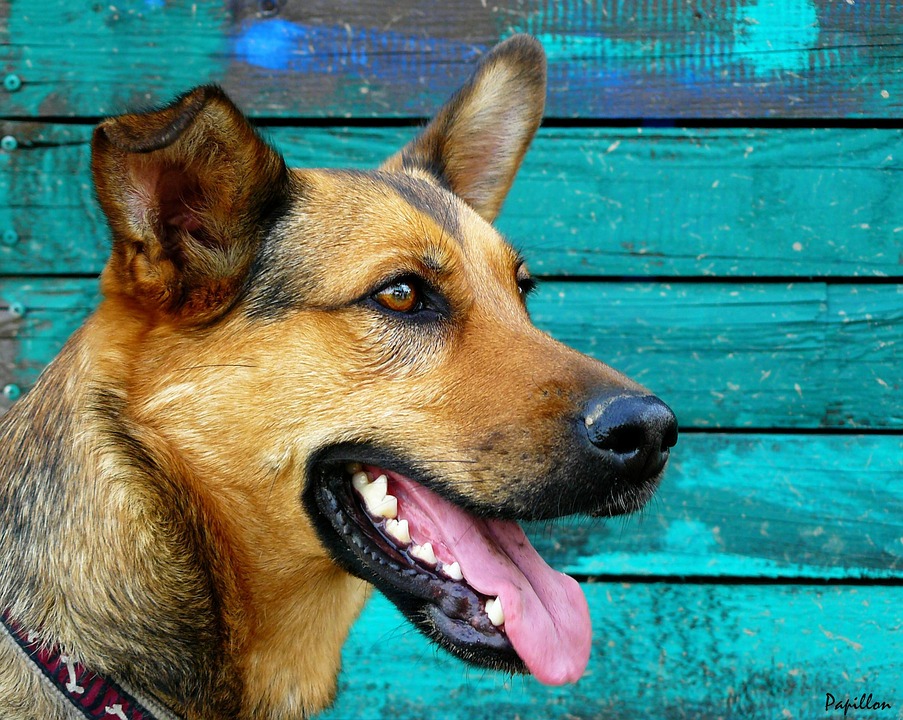
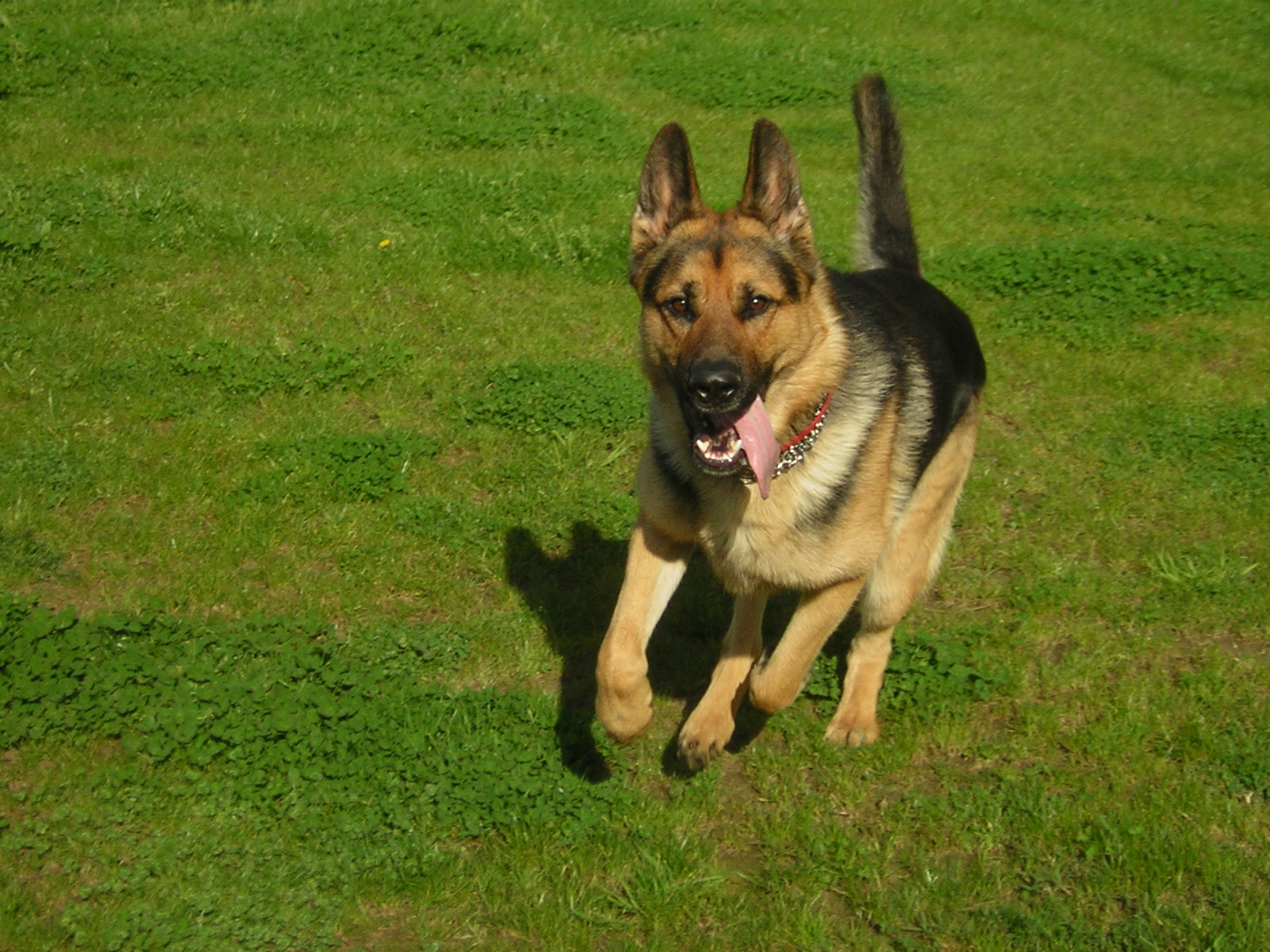
German Shepherd, Dog, Portrait, Animal Portrait
Image Pixabay

Buy A Toothbrush And Doggy Toothpaste
Make sure you don’t use human toothpaste. Usually this contains fluoride, which dogs are extremely allergic to. Instead, purchase toothpaste formulated for dogs at a pet store.

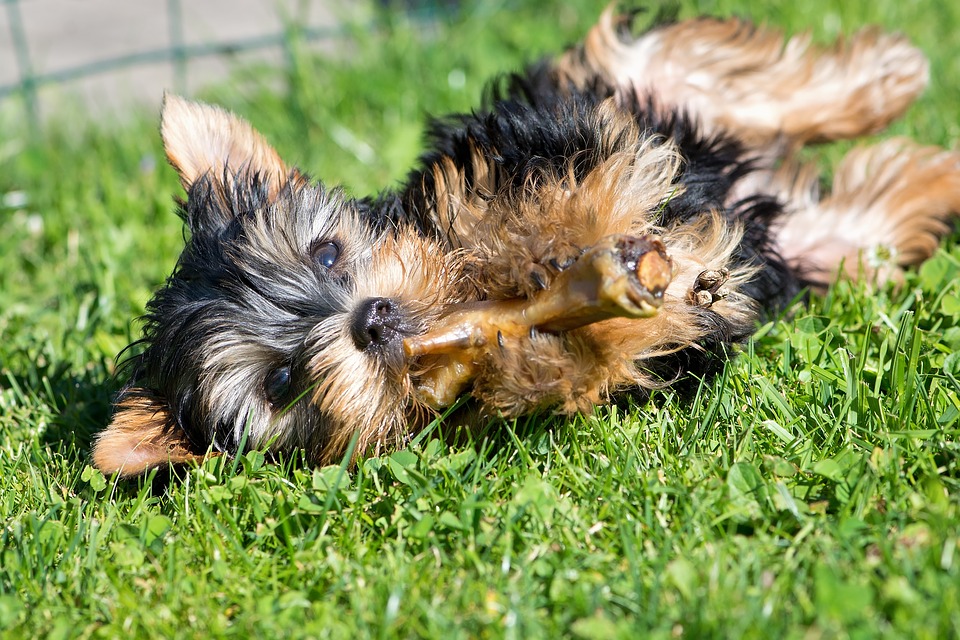
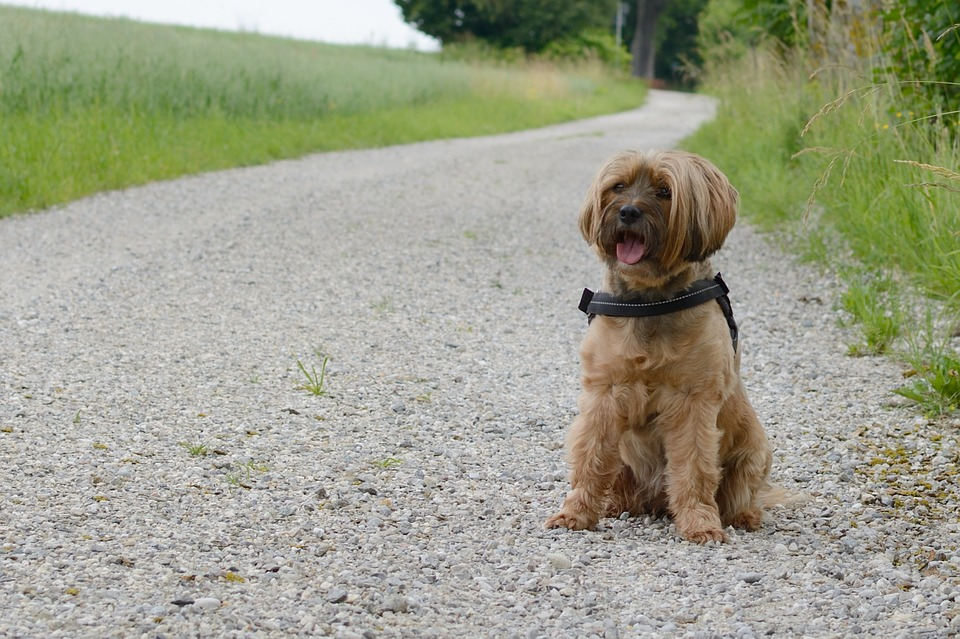
Dog, Puppy, Small Dog, Gnaw, Animal, Pet, Garden, Out
Image Pixabay

Caring For Your Puppy’s Teeth
Get your puppy used to having his or her mouth opened while you check and gently brush its teeth – this will make it easier to do so when your dog’s an adult. Like humans, dogs have and lose baby teeth, and usually by the time they’re around seven months old all their adult teeth will be in place. Make sure your vet checks this out – baby teeth that don’t fall out can cause your dog pain and discomfort.
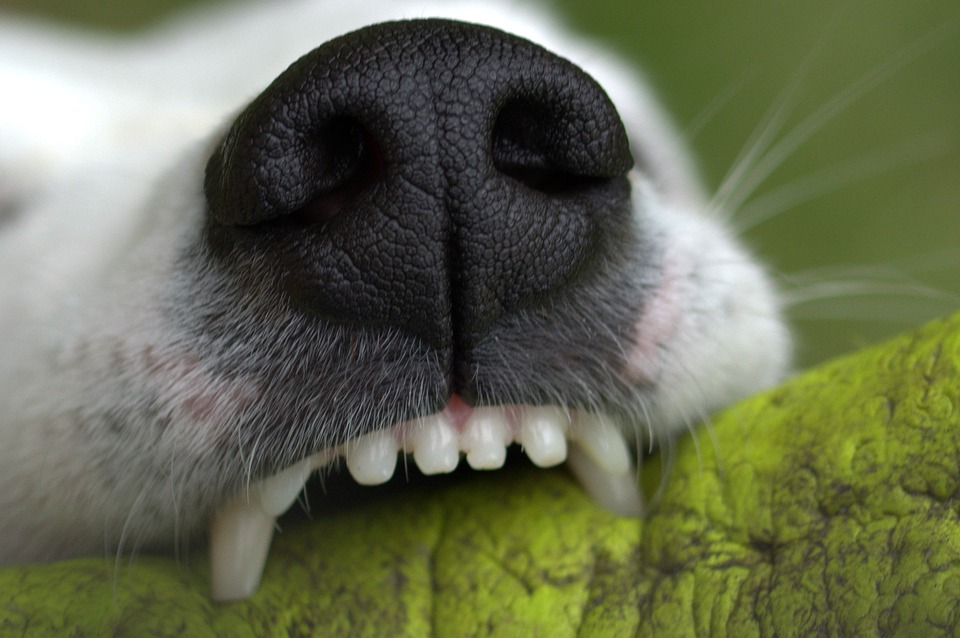
Snout, Teeth, Bite, Play, Dog, Tooth, Creature, Close
Image Pixabay

How To Brush Your Adult Dog’s Teeth
If your dog isn’t used to having its teeth brushed, it might not enjoy the experience. Choose a time when your dog is tired out after a long walk, and make sure you stop if he or she gets upset. Add a few seconds on every time you do it, so eventually you can get around to brushing all of your dog’s teeth. Try to make a game out of it, and reward your pup with a treat afterwards for good behaviour.

Choose Good Food For Your Dog
Dry food is better than wet for dental hygiene. Even if your dog refuses to allow you to brush its teeth, you can use crunchy kibble to improve its teeth. Wet food tends to stick more to the teeth and cause a greater amount of decay. Try to learn more about your dog’s dietary needs so you can provide the food it needs to be happy and healthy. Chew toys and synthetic bones are also great for strengthening your dog’s teeth, so try to pick one up from the pet store every now and then. You can also buy dental biscuits for your dog, which helps take care of his or her molars, which are hard to reach with a toothbrush.

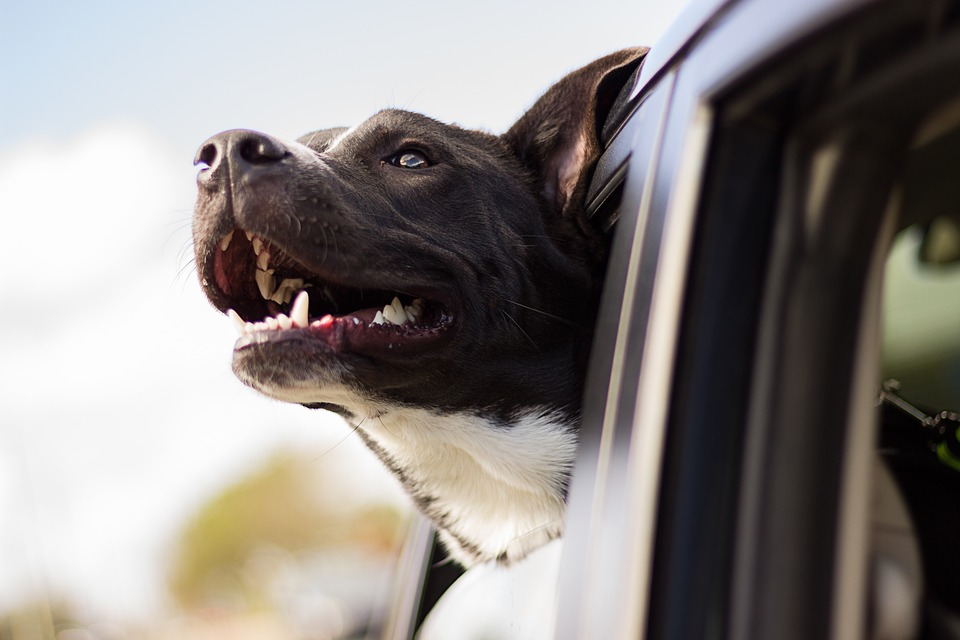
Dog, Happy, Car, Head, Car Window, Happy Dog, Pet
Image Pixabay

What Happens If My Dog Is Suffering From Dental Disease?
It’s often hard to pick up, since dogs are good at masking pain from their owners. If your vet points it out, make sure you get treatment for your dog as soon as possible. If untreated, it can lead to pain for your dog along with tooth extractions, bad breath, and, in severe cases, bacteria entering the bloodstream and making its way to the vital organs, which can make your dog very sick. If you get it treated as early as possible, treatment will also be cheaper! There are also water additives that you can talk to your vet about – these can be added to your pup’s water bowl and they’ll reduce tartar build-up in the future.


Thursday, July 21, 2016

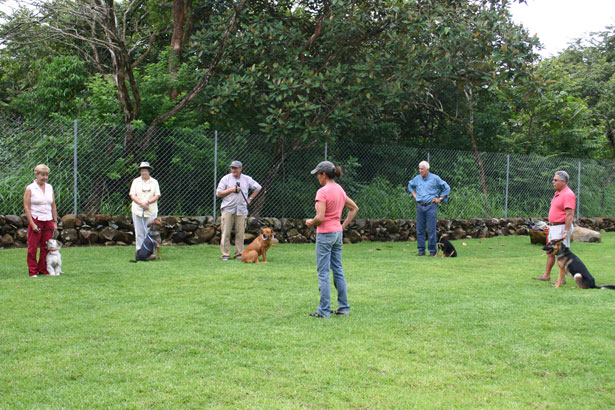
How To Make The Most Of #PuppyTraining Classes

If you’ve got a new puppy, you may have already decided that they need training and obedience classes. Puppies are balls of boundless energy, and they need to learn how to behave and control their exuberance. It’s fun to play with puppies. But it’s not so amusing when you come home to scenes of carnage. Are you eager to keep your sofa intact and your slippers in one piece? If so, here are some tips to make sure you get the best out of puppy training classes.


Register early
Puppies can start training and obedience classes once they’ve had their immunizations. In some cases, you may find that sessions get booked up in advance, so register early. If you’re not sure which classes to attend, ask friends or colleagues for recommendations. It’s likely that your vet will be able to make suggestions too.

Lay the foundations
Training should start long before your pup bounds into their first session. Start basic training as soon as you bring your puppy home. Be strict, but fair. It’s important that they know the boundaries, and that they gain respect for you. Start with simple commands like ‘sit’ and ‘wait’. Encourage them, and give them a reward, such as a chew, when they display good behavior. If your puppy is used to authority, they will respond well to classes. If they’ve been allowed to rule the roost for weeks beforehand, they may struggle to adjust.

Stick with it
If you’ve signed up for a course, make sure you attend all the sessions. There’s no point in going to the first class, and then having a few weeks off. Puppies need consistency.


Use your trainer’s advice at home
It’s essential to reinforce your trainer’s actions and requests at home. Your puppy may behave well during the session. But if they’re allowed to do anything they want at home, they’re likely to exploit this freedom. Practice commands and exercises with your pup when you’re out for walks or he’s waiting for dinner. You can also continue training between sessions with dog training online. Practice makes perfect. If you keep going over the drills, your pup will pick them up in no time at all, and you’ll notice changes immediately. Always reward good behavior. When you’ve finished your sessions, continue training at home. Don’t let things slide just because you’re no longer attending lessons.


Ask for advice
If you’re struggling at home, don’t be afraid to ask for advice. Contact your vet, or have a word with your dog trainer after the session. There may be additional exercises you can try or different ways of addressing your pup.

Encourage exercise
Between sessions, make sure you keep your puppy busy. Pups tend to stray off the straight and narrow when they get bored. Play with them, take them for regular walks and show them love and affection. If you go out, make sure they have plenty of toys to keep them occupied.


Puppy training classes are fantastic for taming unruly pups and teaching puppies to interact with other dogs. If you have a new member of the family, follow these tips to ensure you make the most of training sessions. Hopefully, you’ll have a perfectly behaved pooch before you know it!

Thursday, December 3, 2015

How To Keep Your Dog Healthy & Happy

Dogs are more than a pet, they are part of the family. As such, it’s every dog owner’s wish to give their pooch the best life possible.

Treating the dog in the best way will enable it to live a long and happy life. More importantly, it should help the pet stay healthy and avoid any major discomfort. That’s the least that they deserve after all the love and joy they bring into our lives.

Here’s everything you need to know.

Nutrition

Good nutrition should be considered the foundation for any living being. The dog should certainly be no different. Ensuring it eats well is vital to keeping your pooch in the greatest shape possible.

There are many do’s and don’ts to consider when it comes to a dog’s nutrition. Your dog will give you clear indication whether things are right or wrong. Apart from its appearance and shape, excrement should let you know when a problem arises.

It’s also important to encourage good eating routines. If nothing else, this should help the dog’s behaviour.

Active Lifestyle

As with humans, a dog’s health sees nutrition come as part of a package. Regular exercise is vital for the dog’s muscles, organs and joints. Ultimately, this will promote a long and happy life.

Dogs are natural explorers too, so an active lifestyle will encourage better development. You should try to mix up their favourite spots with new locations to ensure they get the best of both worlds. As these guides at http://www.mnn.com/family/pets/stories/10-brain-games-to-play-with-your-dog show, you can also use their eating routines as a way to develop their brains too.

Keep the dog stimulated both mentally and physically at all times. In return, you should be blessed with a healthy and happy pooch.

Treat Health Issues

Like us, dogs will suffer the odd illness from time to time. That’s just nature. However, our furry little friends will need a little help to get over those issues quickly. Early treatment is key.

Mange is a particularly uncomfortable condition for the pet to suffer. Every dog owner should visit http://www.homeremedyshop.com/13-home-remedies-for-mange-in-dogs/ to find out more info on this problem. Meanwhile, it’s important to look out for issues with teeth and gums as well as joints.

There are various supplements that can help prevent certain conditions. Most importantly, you must be prepared to accept when a vet is needed. Sometimes, the experts are the best people to find the right solution.

Encourage Better Relationships

Apart from being healthy, your dog requires one thing more than any other: love. Dogs are very affectionate creatures, and they will become a central part of your family’s DNA. So you must encourage good relationships all round.

This doesn’t only include relationships with humans, though. Integrating the dog into a home can take some work. But improving those connections with existing dogs or other pets is crucial. It’s not only the dog that will benefit; it’s the entire household.

Ultimately, that loving family atmosphere is all your dog ever wants.